 Adapted from the Health & Lifestyle lecture I have been providing at Joint Base Balad, Iraq during my deployment with the 332d Expeditionary Medical Group.
The first priority for athletes is meeting energy requirements. Energy balance is key to maintaining lean tissue mass, immune and reproductive function, and optimum athletic performance.
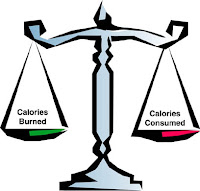
To have calories in = calories out means you will have a balance effect on the scale. If you have more energy coming in then going out then your weight will start increasing. If you have less energy coming in and more energy going out then you will have a wt loss.
With limited energy intake the body will then use fat and lean body tissue for fuel. Not maintaining enough energy for fuel compromises the benefits of training.
You will most likely not achieve your best physical performance while restricting calories. (Keep in mind that it is certainly possible for an over-fat, way out of shape individual to both lose weight and improve their physical performance at the same time) However, for a normal weight, relatively “in-shape” individual…caloric restriction will be detrimental to performance.
Low-energy intakes can result in loss of muscle mass, menstrual dysfunction, loss or failure to gain bone density, and increased risk of fatigue, injury, and illness.

To help optimize training and prevent illness, athletes should consume a daily diet rich in nutrient-dense carbohydrates and high-quality protein in order to provide adequate energy for muscular activity and maintenance of optimal immune system functions.
Carbohydrates are the body’s main source of energy. The body converts Carbs you eat into glucose. Glycogen is the main storage form of glucose and it is stored primarily in muscle and liver.
Continuous exercise uses up the body’s glycogen stores. It is important to ensure adequate Carb intake pre, during, and post intense physical activity. Repetitive training/competition reduces glycogen storage leading to impaired performance.
Athletes (and very active military members) need adequate Carb intake to keep glycogen stores high, therefore allowing for optimal physical performance.
Approximate protein intake guidelines are based on the type of athlete. Requirements include the need to repair exercise-induced microdamage to muscle fibers, use of small amounts of protein as an energy source during exercise, and the need for additional protein to support gains in lean tissue mass. However, repeated research has shown that protein intake in excess of 2 g/kg simply results in the excess amino acids being converted to fat and stored appropriately.
Turns out that most Americans (even non-athletes) easily achieve these protein intakes as part of their regular diet, therefore it is rare that an athlete would need to deliberately add a protein supplement to their diet. Except when people are limiting their total caloric intake for weight loss.
For optimal benefit, spread protein evenly throughout the day.
Fat is important in the diets of athletes as it provides energy, fat-soluble vitamins, and essential fatty acids. Additionally, there is no scientific basis on which to recommend high-fat diets to athletes. There are no ergogenic effects from fat intake (i.e. eating more will not improve athletic performance, but not eating enought total calories may hurt your progress). Be sure to limit saturated fats since that is the type of fat that can raise blood cholesterol.
 How much energy do you need?
Even when you are trying to lose weight, there is a minimal amount of calories you need to prevent loss of muscle mass. You need to support your Resting Metabolic Rate (RMR).

Once you calculate what your body needs to support stable weight at your activity level, you can reduce the intake, increase the activity, or best - combination of both, to help promote weight loss. But
never eat less than your RMR if you want to keep your metabolically active muscles - see "Maximizing Metabolism" Lecture (coming soon).
Want to gain weight (muscle)? You have to support the proper exercise (higher resistence, fewer repetitions to fatigue) with adequate rest for repair and building. And you need enough extra CALORIES (not extra protein). Remember the protein needs even when in anabolic mode (muscle building) are maximum 2 g/kg (or ~1 g/lb body weight).
Look at your hands; your two hands are a good representation of the total amount of protein you can use in a day for support of muscle building. Magazines advertising protein powders and bars and supplements are owned by the companies selling these products. High protein diets tend to increase blood acidity, phosphorus load (thus pulling calcium out of your bones and then it is lost in your urine), and nitrogen released when protein is used for energy (fortunately healthy kidneys can remove the excess nitrogen from our blood).
To get extra calories between meals try dried fruit & nuts, peanut butter sandwich, high fiber snack bars.

 Hydration (Fluid) is very important.
And being deployed in the desert (Iraq) makes it a prime concern even if you are not exercising. Water is the best rehydration for most people. Electrolyte-replacement Sport drinks (i.e. Gatorde or Powerade) are useful when your workout is over 60 min or you are drinking a lot of water and not eating (don't want to dilute the sodium in your blood).
Water helps cool your body. When you are active your body heats up. Sweating brings water to the surface of your skin where evaporation pulls this heat away from your body. If you don't have enough water to sweat, or you cover up all your skin so you sweat but it cannot evaporate, you will overheat. If your body temperature gets too hot, you are "cooking" yourself into a severe illness.
Some ways to tell if you are drinking enough. Weigh yourself before and after your workout. Drink at least 2 cups of water for every pound lost. Check your urine; if it's darker than pale yellow straw you need to be drinking more. Here in Iraq I've been drinking about 4L per day.

For more information:
sportsmedicine.about.com/Sports_Nutrition.htm
www.dietitian.com/sportnut.html
Food and Nutrition Information Center (USDA)
Nancy Clark, MS RD “Sports Nutrition Guidebook”
---------------------


 To help optimize training and prevent illness, athletes should consume a daily diet rich in nutrient-dense carbohydrates and high-quality protein in order to provide adequate energy for muscular activity and maintenance of optimal immune system functions.


 Want to gain weight (muscle)? You have to support the proper exercise (higher resistence, fewer repetitions to fatigue) with adequate rest for repair and building. And you need enough extra CALORIES (not extra protein). Remember the protein needs even when in anabolic mode (muscle building) are maximum 2 g/kg (or ~1 g/lb body weight).


 332d Air Expeditionary Wing Change of Command - 0632 hrs (332 Zulu)


